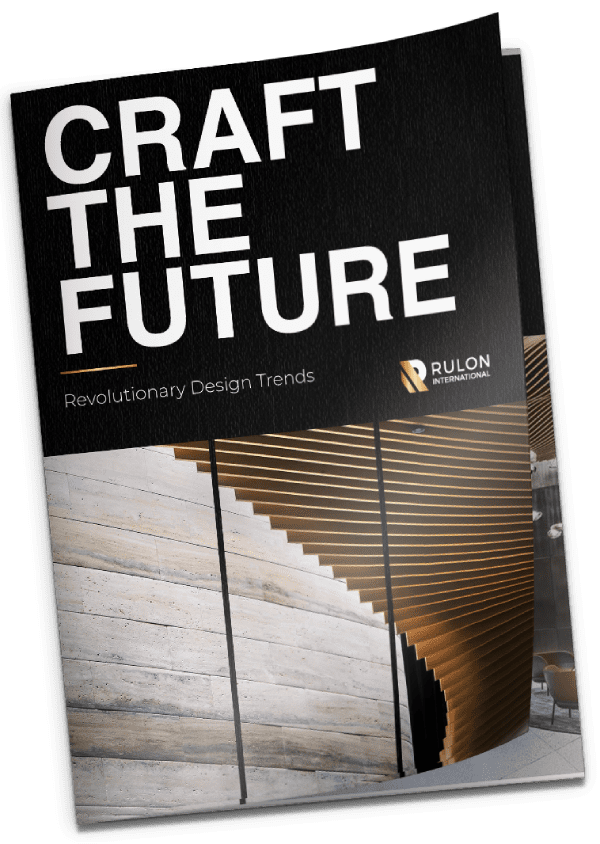
Why modern industrial ceilings matter in today’s offices
The modern workplace has shifted dramatically over the past two decades. Exposed structural systems, open ceilings, and raw material palettes — hallmarks of the modern industrial style — have become staples in corporate offices, co-working spaces, and tech hubs. This aesthetic celebrates honesty in materials and openness in space.
Yet openness comes with challenges: poor acoustics, visual clutter, and a lack of warmth. This is where the modern industrial wood ceiling makes an impact. By combining the authenticity of exposed ceilings with the softness and rhythm of wood, architects can achieve spaces that feel both expansive and human-centered.
Workplace design is no longer only about efficiency; it’s about creating environments where people want to stay, collaborate, and innovate. Industrial wood ceilings embody this shift, offering both character and performance in equal measure.
Industrial wood ceiling trends shaping workplaces
The demand for modern industrial design continues to evolve. Recent industrial wood ceiling trends highlight how offices are adapting aesthetics to performance needs:
- Hybrid materials: pairing wood with steel, glass, or concrete for balance.
- Exposed integration: suspending wood ceilings alongside visible ductwork, lighting tracks, and sprinkler systems for layered texture.
- Acoustic emphasis: using perforated or slatted wood to soften noise in otherwise reflective spaces.
- Brand storytelling: selecting wood tones and patterns that communicate company culture or values.
- Flexible modularity: installing wood ceiling systems that can be reconfigured as offices shift to hybrid or activity-based layouts.
These trends demonstrate that industrial design is not static. Wood ceilings are redefining what modern workplaces can achieve: industrial honesty with comfort and refinement.
Balancing openness with acoustic control
One of the core challenges of open industrial ceilings is noise. Concrete floors, metal ducts, and glass partitions amplify sound, creating environments that are visually striking but acoustically harsh.
Modern industrial wood ceilings resolve this issue by introducing acoustic moderation without hiding structural character. Systems with slats, perforations, or integrated absorptive backers provide measurable sound attenuation. This transforms open offices into spaces that support focus and collaboration equally.
In collaborative hubs, suspended wood panels absorb chatter without breaking openness. In quiet zones, perforated wood tiles with acoustic cores improve speech clarity. The adaptability of wood ceiling systems ensures they perform acoustically without disrupting the industrial design language.
Visual contrast and identity through materiality
The aesthetic success of industrial design often lies in contrast. Raw concrete and exposed steel can feel cold or unfinished if left unbalanced. Wood introduces warmth, rhythm, and human scale into these environments.
Modern industrial wood ceilings provide this balance. Light-toned veneers brighten large spaces, while darker finishes add depth and gravitas to executive areas. Slatted or grille systems add rhythm overhead, creating a sense of order that complements structural rawness.
For companies, these design moves reinforce brand identity. A tech firm might choose clean, pale woods to express innovation and transparency. A law office may prefer rich, darker woods to communicate stability and tradition. In both cases, the industrial wood ceiling becomes a medium for storytelling.
Integration with exposed systems
Unlike traditional drop ceilings, industrial offices celebrate exposed systems: ductwork, piping, lighting, and sprinklers remain visible. This requires ceiling systems that integrate rather than conceal.
Wood excels in this role. Grille and slatted systems allow air distribution, lighting, and sprinklers to pass through cleanly, maintaining openness while softening the aesthetic. Curved systems such as Curvalon or Curvatone can guide circulation and conceal selective elements without compromising the industrial palette.
This integration allows architects to fine-tune the balance of utility and design. Wood ceilings act as filters rather than barriers, framing building systems within a cohesive visual field.
Workplace culture and the role of design
Modern workplaces are measured not just by square footage but by their ability to attract and retain talent. Design plays a central role in shaping workplace culture, signaling values, and supporting employee well-being.
A modern industrial wood ceiling contributes to this cultural narrative. Its natural materiality reflects sustainability, a growing priority for employers and employees alike. Its acoustic performance supports collaboration and focus, enhancing productivity. Its visual rhythm provides order within the openness of industrial layouts, reinforcing a sense of belonging.
In short, wood ceilings transform industrial design from a raw aesthetic into a cultural asset. They embody authenticity while delivering comfort — qualities employees value in contemporary work environments.
Sustainability in modern industrial design
Industrial workplaces often emphasize reuse of existing structures, adaptive reuse of warehouses, or conversion of lofts into offices. Wood ceilings align with these goals by bringing renewable, low-carbon materials into adaptive spaces.
Veneer-based systems maximize resource efficiency, while documented sustainable practices provide transparency for certifications like LEED and WELL. Prefabricated systems reduce waste during installation, while modular designs simplify maintenance over the lifecycle of the building.
Wood also reinforces biophilic principles. In otherwise metallic or concrete-heavy environments, natural wood surfaces connect occupants to nature, improving comfort and reducing stress. Sustainability here is ecological and experiential, supporting both environmental targets and human wellness.
Design options for industrial workplaces
Industrial offices are defined by variety — from raw loft conversions to new-build tech campuses. Wood ceiling systems adapt to these diverse contexts.
- Linear systems introduce clean lines that align with exposed beams or open floorplates.
- Grilles provide rhythm and shadow play, softening mechanical systems overhead.
- Beams add scale and repetition, echoing structural forms.
- Baffles deliver vertical rhythm and acoustic absorption in tall volumes.
- Curved options such as Curvalon or Curvatone offer sculptural accents while blending acoustics with identity.
These options allow architects to calibrate industrial character. Some workplaces may want wood to act as a subtle complement; others may want it as a centerpiece. Flexibility across systems ensures both goals can be achieved.
Installation and delivery efficiency
Workplace projects often run on compressed schedules, especially in fast-growing industries. Modular wood ceiling systems simplify installation and reduce risk for contractors.
Products like Endure™ Direct Attach provide straightforward fastening methods, while Endure™ Linear supports consistent appearance in high-traffic or semi-exposed conditions. Programs such as Select N’ Ship provide quick-ship solutions, ensuring projects meet critical deadlines without sacrificing quality.
Prefabrication not only improves efficiency but also ensures consistency. With tiles or panels manufactured in controlled conditions, site installation becomes predictable and punch lists shorter. For owners, this means faster occupancy and reduced disruption to operations.
The future of modern industrial wood ceilings
Industrial wood ceiling trends point toward a future where raw and refined are no longer opposites but partners. Offices will continue to value openness and authenticity, but acoustics, wellness, and sustainability will remain essential.
Wood ceilings embody this convergence. They allow workplaces to celebrate exposed structure while softening it for human use. They translate corporate identity into material language, shaping how employees and visitors experience space.
As companies reimagine the workplace to support hybrid work, collaboration, and talent retention, modern industrial wood ceilings will continue to evolve as both technical and cultural assets.
Planning your workplace project
For architects and designers, the challenge is not simply selecting a material but specifying systems that align with goals of identity, wellness, and performance. A modern industrial wood ceiling offers a path forward, combining raw honesty with refined function.
Explore the full product catalog for ceiling systems that fit industrial aesthetics. Review the project gallery for examples across workplace and adaptive reuse projects. For specification guidance, documentation, or installation strategies, contact the team to begin planning your next workplace design.