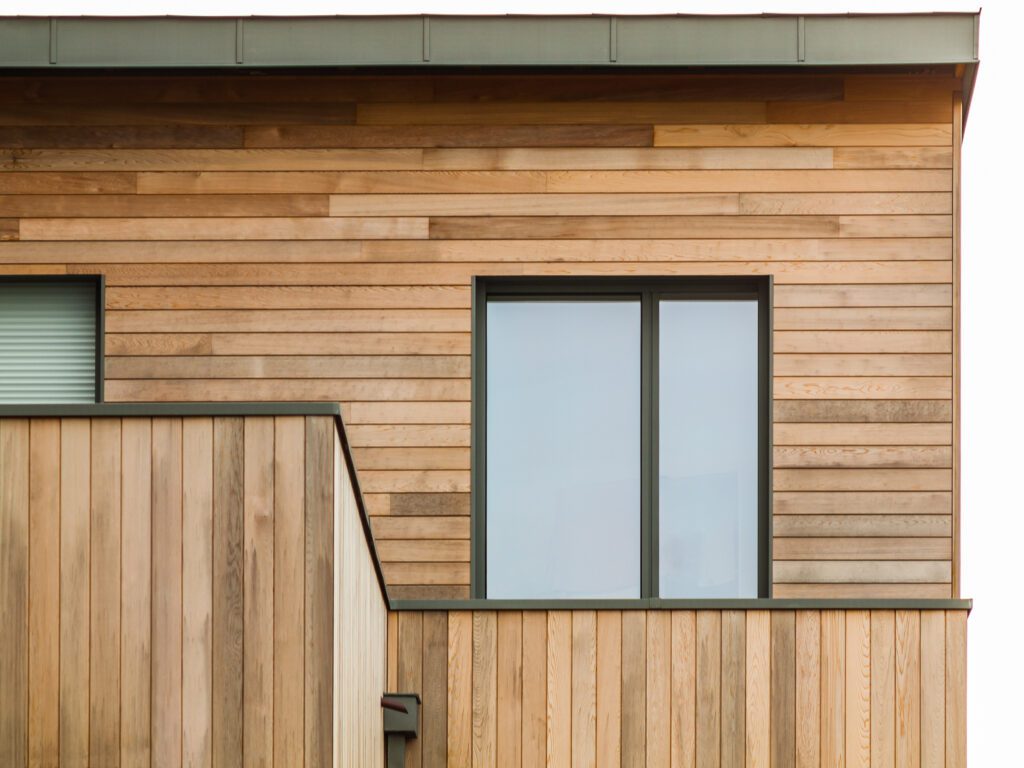
Why wood wall tiles matter in modern interiors
Walls are among the most visible and influential surfaces in any interior. They guide circulation, frame sightlines, and affect how people feel when they enter a space. As design priorities evolve toward wellness and human-centered experience, wood wall tiles have emerged as a system that combines technical performance with sensory richness.
Unlike flat gypsum or painted drywall, wood tiles introduce texture, rhythm, and warmth. Their modular format allows designers to create striking surfaces that are both practical and expressive. Tiles can be installed in patterns, scaled for emphasis, and finished to align with brand identity or cultural storytelling. This makes them versatile tools for commercial architects and designers tasked with balancing aesthetics, performance, and long-term durability.
With the rise of biophilic design and multisensory interiors, wood wall tiles are no longer considered decorative extras. They are strategic choices that influence acoustics, perception, and user comfort.
Understanding tactile wall surface design
Tactile wall surface design is gaining momentum in commercial architecture. People experience interiors not only through what they see but also through what they touch. Smooth, uniform walls can feel sterile, while varied textures add depth and comfort. Materials that invite tactile interaction create stronger connections between occupants and the built environment.
Wood wall tiles excel in this area. The natural variation of wood grain, combined with the three-dimensional relief of tile assemblies, produces surfaces that change with light and perspective. Shadows shift across the day, and textures invite touch, reinforcing a sense of authenticity and calm.
For architects, tactile surfaces also support functional goals. In high-traffic environments such as hotels or retail stores, textured walls withstand wear better than smooth painted finishes. In workplaces, tactile panels break up monotony, introducing subtle energy without overwhelming the space. These qualities make wood wall tiles integral to interiors where human interaction and experience are central.
Visual impact and design flexibility
Beyond touch, wood wall tiles deliver powerful visual impact. They allow architects and designers to move beyond flat planes and create layered compositions that shape how interiors are perceived.
- Pattern and rhythm: Tiles can be installed in linear grids, staggered formats, or custom arrangements to generate movement and cadence.
- Grain and tone: Wood’s natural variety allows for subtle or bold contrast. Alternating species or finishes creates surfaces with visual complexity.
- Scale: Smaller tiles emphasize detail and craft, while larger modules highlight rhythm and continuity.
This flexibility makes wood wall tiles suitable for a wide range of architectural expressions. In a retail environment, they can highlight brand identity. In cultural venues, they can communicate craft and permanence. In hospitality settings, they create warmth that sets the tone for guest experiences.
Architects increasingly use wood tiles to support wayfinding and orientation. By changing tile patterns or tones at thresholds, designers can signal program shifts and guide movement through large spaces. This strategy reduces reliance on signage while adding aesthetic richness.
Acoustic performance with wood wall tiles
While their tactile and visual qualities are often most apparent, wood wall tiles also contribute to acoustic performance. By introducing relief, slats, or perforations, tiles break up sound waves and reduce unwanted reverberation.
When paired with acoustic backers, wood tile systems can achieve measurable NRC (Noise Reduction Coefficient) values. This is especially valuable in busy commercial environments where speech clarity and noise reduction are priorities. Hotels use acoustic tiles to calm lobbies and guest corridors. Retailers rely on them to soften background noise and encourage comfortable browsing. Workplaces specify them for focus zones, meeting rooms, and collaborative areas.
Systems such as Aluratone demonstrate how wood surfaces can integrate acoustic cores while maintaining a seamless visual field. These panels ensure performance without requiring additional treatments that might disrupt the design language.
Sustainability as a design imperative
For today’s clients, sustainability is not optional — it is a baseline requirement. Wood wall tiles help architects meet these expectations by combining renewable sourcing, efficient manufacturing, and long-term durability.
Veneer-based tiles maximize resource efficiency by slicing logs into thin layers, extending yield while retaining authentic grain. Solid wood tiles, meanwhile, provide strength and permanence for accent walls or high-impact zones. Documented sustainable practices give architects the transparency they need for certifications such as LEED, WELL, and Green Globes.
Sustainability extends to lifecycle performance. Wood wall tiles are serviceable and modular, meaning individual tiles can be replaced rather than entire assemblies. Prefabricated systems also reduce waste during installation and allow for precise alignment with other building systems.
Biophilic strategies are closely tied to sustainability. Natural wood surfaces improve perceived air quality and foster a sense of connection to nature. This dual value — ecological responsibility and human-centered performance — is why wood wall tiles are becoming essential in environmentally conscious projects.
Where wood wall tiles excel
L'hospitalité
In hotels and restaurants, first impressions are critical. Wood wall tiles create warmth in lobbies, set tone in guest rooms, and add tactile richness to dining spaces. Their texture invites guests to linger, while their acoustic properties support quieter, more comfortable environments. For hospitality brands, wood wall tiles balance durability with design storytelling.
Retail
Retail environments use wall surfaces to communicate brand identity. Wood wall tiles provide both a backdrop and a statement piece, framing merchandise while reinforcing brand values of authenticity and craft. Their tactile appeal encourages customers to engage with the space, while acoustic benefits create a calmer shopping experience. Modular tiles also allow retailers to update or reconfigure layouts with minimal disruption.
Workplaces
Open-plan offices often struggle with noise and monotony. Wood wall tiles address both issues, providing acoustic absorption while breaking up visual flatness. They also communicate brand identity through pattern, tone, and craftsmanship. In client-facing areas, wood walls create a sense of professionalism and warmth. In focus zones, they reduce distraction and promote concentration.
Cultural spaces
Museums, libraries, and performance halls benefit from the balance of texture, acoustics, and durability that wood wall tiles provide. Tiles can highlight feature walls, guide circulation, or serve as sculptural elements. Their visual depth complements collections and performances, while their acoustic benefits ensure audiences experience clarity and comfort.
Installation and delivery efficiency
Efficiency is essential in commercial projects where budgets and schedules are tight. Wood wall tiles support streamlined delivery through prefabrication and modularity. Panels arrive ready for installation, ensuring consistency and reducing field labor.
Systems such as Endure™ Direct Attach simplify fastening, while Endure™ Linear ensures durability in high-traffic settings. For projects with accelerated timelines, Select N’ Ship programs provide quick-ship solutions that maintain momentum.
Prefabrication also improves quality control. With tiles produced in factory settings, reveals are consistent, and finishes are uniform. This minimizes punch-list issues and supports smoother coordination with other trades. For owners, this predictability reduces downtime and ensures faster occupancy.
Creating multisensory experiences
The strength of wood wall tiles lies in their ability to engage multiple senses at once. Their grain and tone appeal to sight, their relief and finish invite touch, and their acoustic properties enhance auditory comfort. Together, these qualities deliver calm, texture, and richness that other wall finishes cannot match.
This multisensory quality is central to wellness-driven design. Hospitality brands use wood tiles to create memorable guest experiences. Retailers leverage them to encourage longer visits. Workplaces rely on them to improve focus and comfort. Cultural institutions embrace them as part of storytelling and identity.
When wood wall tiles are specified thoughtfully, they transcend decoration to become systems that shape atmosphere and performance simultaneously.
Planning your project with wood wall tiles
Choosing the right wall tile system requires a balance of priorities: acoustics, sustainability, tactile experience, and design intent. Architects should define performance goals early and coordinate integration with lighting, mechanical, and electrical systems.
Explore the full product catalog to discover wood wall tiles and complementary ceiling solutions. Visit the project gallery for real-world inspiration across hospitality, retail, workplace, and cultural projects. For technical support, specifications, or mockup coordination, contact the team to begin planning.