The future of commercial interiors depends not only on how spaces look but also on how they feel, sound, and function across all five senses. As human-centric design evolves alongside sustainability and wellness, a new approach is taking hold. Sustainable design interior strategies are now focused on delivering complete sensory experiences that support comfort, connection, and productivity.
With more than 90 percent of our time spent indoors, especially in urban environments, architecture plays a critical role in supporting human health. In this context, multisensory, biophilic design is essential for commercial environments such as offices, healthcare facilities, and schools. Through thoughtful material selection, including the use of sustainable wood panels, designers can create spaces that enhance clarity, reduce stress, and meet both human and environmental needs.
The Science Behind Multisensory Design
In recent decades, architects and designers have increasingly started to consider the other senses, namely sound, touch (including proprioception, kinesthesis, and the vestibular sense), smell, and on rare occasions, even taste in their work. As yet, there has been little recognition of the growing understanding of the multisensory nature of the human mind that has emerged from the field of cognitive neuroscience research.
The human brain processes sensory information in complex, interconnected ways. Our brains are wired to process and integrate information from all our senses simultaneously. This multisensory processing enhances our perception of the environment, influences our emotions, and shapes our behavior. In commercial spaces, engaging in multiple senses can lead to increased attention, improved memory formation, and enhanced overall experience.
Research in neuroaesthetics and environmental psychology has shown that multisensory environments can reduce stress, improve mood, and even boost productivity. By creating spaces that stimulate multiple senses in harmony, we can tap into the brain’s natural way of perceiving and interacting with the world, leading to more intuitive and enjoyable experiences.
The Hierarchy of Senses in Design
In most design processes, vision takes center stage. It’s the sense we rely on most when reviewing floor plans, materials, or renderings. But while sight is dominant, it’s far from the only sense that shapes how we experience space. Our bodies are constantly processing touch, sound, smell, and even subtle cues tied to taste or movement—all of which contribute to how comfortable, focused, or energized we feel in a space.
Modern neuroscience tells us that touch engages more of the brain than sight. Sound, smell, and taste may seem secondary, but they play powerful supporting roles that influence memory, mood, and spatial awareness. For example, a space that looks beautiful but echoes loudly or smells sterile may still feel uncomfortable or disorienting. On the other hand, when all five senses are considered together, a space becomes more than functional—it becomes intuitive, inviting, and human-centered.
This is where multisensory design makes its greatest impact. Instead of focusing solely on finishes or visual branding, designers can consider how materials feel in hand, how sound behaves in a space, how subtle natural scents improve alertness, or how spatial flow supports balance and movement. These factors are especially important in sustainable design interior projects, where materials are chosen not just for aesthetics but for how they support health and well-being.
In practical terms, this means:
- Visual cues like wood grain and natural patterns support emotional grounding.
- Sound control through acoustic wood panels helps reduce stress and boost focus.
- Tactile experiences like slatted wood surfaces or textured finishes make spaces feel more natural and engaging.
- Scent can be introduced through wood’s natural aromatics or biophilic elements like herbs or plants.
- Even taste associations—such as warm wood tones evoking comfort or wellness—can influence how people feel about a space.

Sight: Visual Sustainability and Natural Light
Visual perception remains one of the most powerful ways people connect with interior spaces. In sustainable design interior strategies, this connection is strengthened by prioritizing natural materials, daylight, and views that support both energy efficiency and human wellness.
Modern commercial spaces emphasize natural light as a foundation for well-being. Architects are incorporating expansive windows, skylights, and open floor plans to maximize daylight exposure. This not only reduces reliance on artificial lighting but also supports circadian rhythms, improves mood, and enhances productivity. These principles are central to biophilic design, which links visual elements in architecture to patterns found in nature.
Wood’s Visual Impact
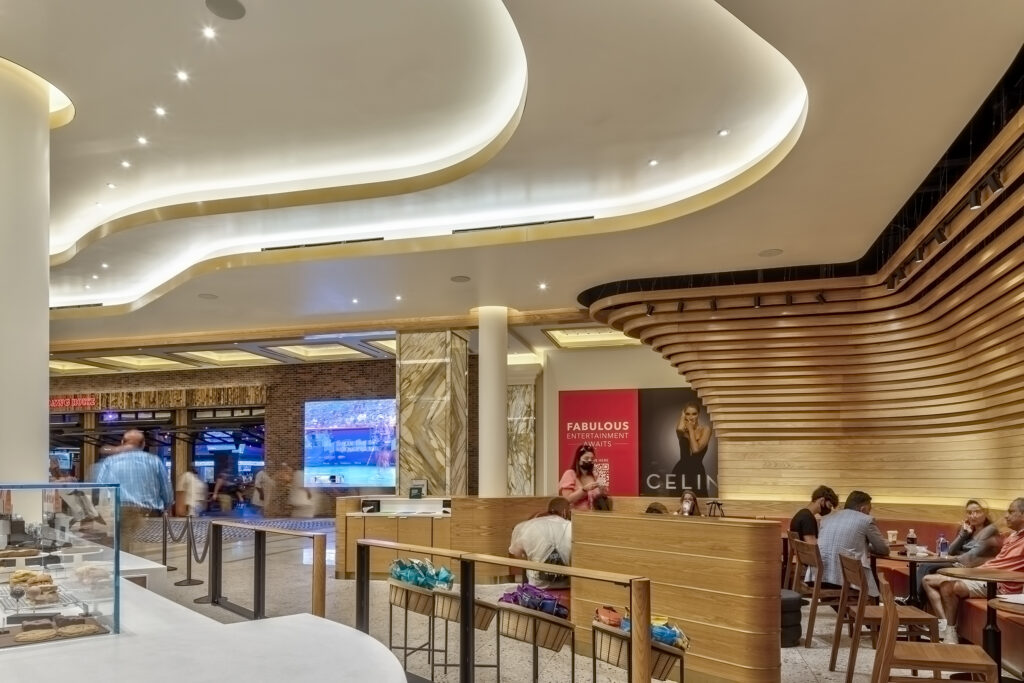
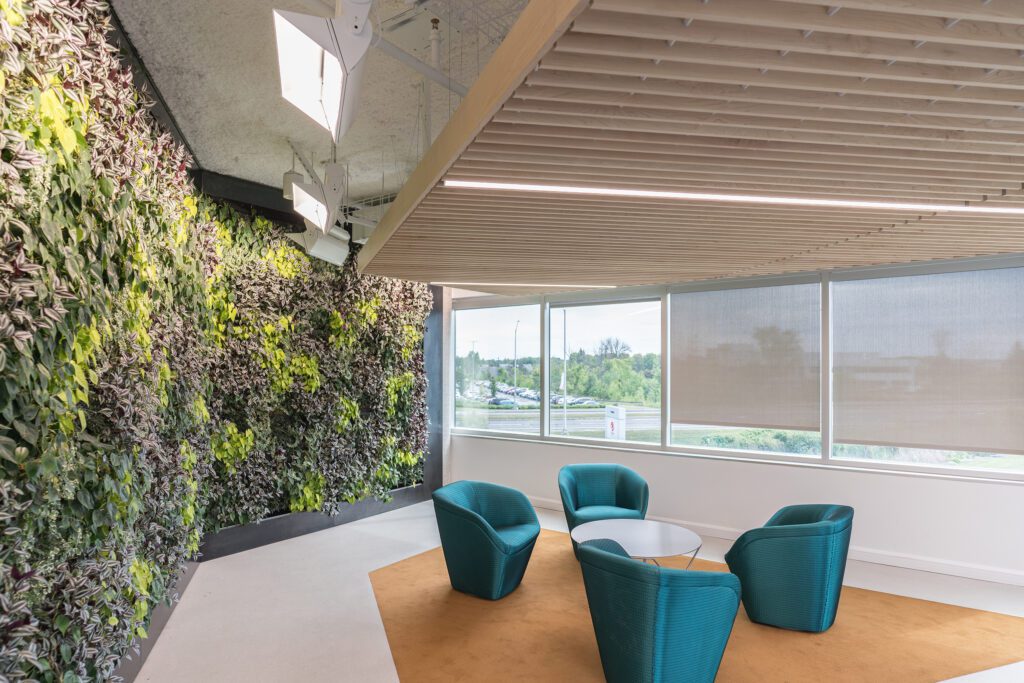
Among natural materials, wood holds a unique ability to convey warmth, depth, and organic texture. The grain patterns, color variations, and tactile richness of architectural wood panels help ground interiors in nature. These qualities make wood especially effective in transforming sterile or overly corporate environments into spaces that feel calming, approachable, and human-centered.
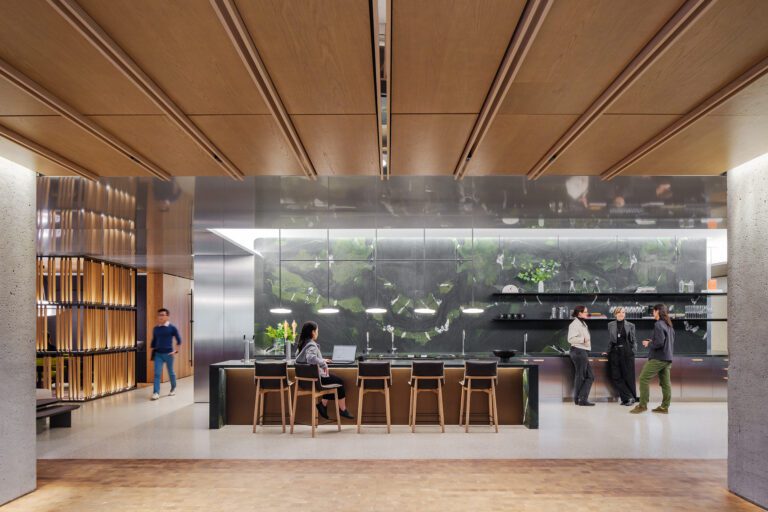
Wood offers more than visual appeal. It provides spatial rhythm, contrast, and softness—qualities that support restorative design in healthcare settings, workspaces, and learning environments. When used in ceiling planks or wall systems, wood becomes a focal point that adds visual continuity without overwhelming the architecture.
Rulon’s project gallery showcases how natural finishes and detailed craftsmanship create visually striking yet wellness-forward interiors. Whether through slatted ceiling systems, curved installations, or custom paneling, wood reinforces a visual language that feels both sophisticated and grounded in nature.
Sound: Acoustic Comfort Through Natural Materials
Sound has a profound influence on how we experience space. In commercial interiors, poor acoustics can lead to distraction, fatigue, and elevated stress. Conversely, well-managed soundscapes enhance focus, reduce anxiety, and contribute to a sense of calm and control. As part of a sustainable design interior strategy, acoustic performance is essential to occupant well-being.
In offices, healthcare settings, and educational environments, sound conditions affect how people think, communicate, and feel. The volume, quality, and clarity of sound—combined with thermal comfort and spatial layout—contribute to productivity and overall satisfaction. These elements make acoustic planning a fundamental pillar of wellness-focused design.
Wood’s Acoustic Properties
Wood is inherently suited for acoustic control. Unlike metal or plaster, wood absorbs and diffuses sound rather than reflecting it harshly. Acoustic wood panels—especially those engineered with perforations, slotted patterns, and integrated sound-absorbing cores—reduce reverberation and elevate sound clarity. Products like Aluratone are designed specifically for this purpose, offering both aesthetic refinement and high-performance sound management.
Natural wood fibers dampen disruptive frequencies while preserving the richness of human speech. This creates environments that support both quiet concentration and vibrant collaboration. Wood grille ceilings and slatted wall panels can be customized with specific perforation patterns and acoustic backings, delivering precise NRC ratings while maintaining the material’s visual warmth and tactile appeal.
Suspended systems like baffles offer added acoustic coverage in open-plan settings without compromising design integrity. These panels can define space while controlling ambient noise levels in lobbies, lounges, or workspaces.
Creating Natural Soundscapes
Incorporating nature-based auditory cues is a growing design strategy. Whether through subtle ventilation systems, the quiet rustle of indoor plants, or the integration of water features, natural sound elements contribute to a restorative atmosphere. These intentional soundscapes minimize stress while enhancing sensory engagement.
Sustainable commercial spaces benefit from environments where noise control and acoustic performance are built into the design. Thoughtfully selected wood acoustic systems help create these environments—quiet, grounded, and aligned with how people live and work best.
Touch: Tactile Experiences and Material Quality
Tactile experiences shape how we connect with a space. The surfaces we touch, the textures we sense as we move, and even the way materials respond to our presence influence our physical comfort and emotional response. In sustainable design interior strategies, touch plays a critical role in creating spaces that feel warm, responsive, and engaging.
Natural materials like wood invite interaction. Whether it’s the smooth curve of a handrail or the layered grain of a wall panel, wood introduces a level of sensory depth that synthetic finishes rarely match. The sense of touch extends beyond contact—it includes temperature, airflow, pressure, and even how we balance as we move through a room. These elements all contribute to how supportive and comfortable a space feels.
Thermal Comfort and Natural Materials
The selection of wood species and surface treatments can dramatically affect how a space feels. Flat veneer panels offer smooth, refined finishes, while textured or wire-brushed wood introduces dimensional variation. These materials can be used to create tactile wall surfaces or ceiling elements that encourage touch and add material richness to a room. Curved systems also offer seamless transitions between surfaces, enhancing flow while maintaining comfort.
Rulon’s Endure™ products offer a polymer-based alternative that mimics wood’s texture and appearance while providing added durability—ideal for high-touch areas or settings requiring moisture resistance.
Ergonomic Integration
Designing for the sense of touch also includes less visible forms of sensory awareness, such as proprioception and balance. Open circulation paths, comfortable surface temperatures, and intentional material transitions all contribute to how we physically navigate a space.
Sustainable design interior solutions should consider how surfaces feel underfoot, how edges respond to hand contact, and how materials support posture and movement. These sensory cues create environments that feel responsive rather than sterile, spaces that invite engagement instead of resistance.
Smell: Olfactory Design and Indoor Air Quality
Scent plays a subtle yet powerful role in how we perceive interior spaces. As the sense most strongly tied to memory and emotion, it can trigger calm, energize focus, or forge lasting associations between people and place. In commercial design, incorporating scent is no longer limited to branding strategies—it is now essential to wellness-centered environments.
Sustainable design interior strategies increasingly consider olfactory experience as part of the complete sensory narrative. The goal is not just to eliminate unpleasant odors, but to create an ambient scent environment that feels clean, natural, and supportive of well-being.
Natural Wood Aromatics
Wood offers more than visual and tactile appeal—it also emits subtle, natural aromatics that contribute to occupant comfort. Species like cedar, walnut, and pine each carry distinct scent profiles. Cedar provides a crisp, clean aroma; walnut offers a rich, earthy tone; and pine evokes a forest-fresh scent. These aromas are never overpowering but create a quiet backdrop that connects occupants with the natural world.
In biophilic environments, these natural scents provide a grounding effect without relying on artificial air fresheners or chemical diffusers. The presence of wood ceiling planks and architectural wood panels reinforces the sensory experience of being surrounded by nature.
Designers can layer this olfactory warmth with low-intensity natural additions—such as lavender sachets, rosemary planters, or citrus essential oils—to enhance mood and reduce workplace stress. These subtle interventions contribute to spaces that feel restorative rather than sterile.
Air Quality and Material Selection
Unlike many synthetic finishes, wood contributes to healthier indoor air quality. It is naturally hypoallergenic and can help regulate humidity, particularly when untreated or finished with low-VOC coatings.
Rulon’s FSC-certified wood products ensure responsible sourcing and safe indoor air quality. Using sustainable materials with transparent health disclosures reinforces occupant trust while aligning with LEED criteria and broader ESG goals.
By choosing eco-conscious wood systems that avoid off-gassing and support natural ventilation, architects and designers create spaces that not only smell fresh, but also support long-term respiratory and cognitive health.
Taste: The Subtle Fifth Sense
Of the five senses, taste is often considered the least connected to architecture—but it still plays a role in shaping how people experience space. While we don’t taste our surroundings directly, our environment can influence how we perceive flavor and how we feel while dining, socializing, or taking a break.
In hospitality, education, and workplace settings, taste emerges through context: through color, smell, memory, and atmosphere. When designed with intention, interior spaces can heighten sensory awareness and make food more enjoyable, even comforting.
Psychological Taste Associations
Our sensory systems are deeply interconnected. Certain colors and textures can evoke taste responses, triggering psychological associations long before a bite is taken. For instance, muted greens might call to mind herbal notes or leafy bitterness. Golden tones may remind us of honey or freshly baked bread. These associations can be leveraged in interior environments to influence behavior and create a sense of warmth and satisfaction.
Materials also carry these associations. Natural wood, with its organic grain and earth-toned palette, often evokes feelings tied to nourishment and comfort. These subliminal cues are especially impactful in communal spaces like cafés, break rooms, and dining halls where sensory harmony can improve mood and encourage mindful eating.
Hospitality and Food Service Applications
In environments where taste takes center stage—restaurants, cafeterias, lounges—material selection is essential to both aesthetics and functionality. Wood ceiling panels and wall systems offer a calming visual backdrop that complements the culinary experience. Their neutral scent and antibacterial properties make wood a practical, health-conscious choice in food service areas.
Designers can also extend this sensory palette with live or preserved herb gardens, fruit-bearing planters, or open shelving that puts natural ingredients on display. These visual and olfactory cues reinforce taste-centered experiences while supporting wellness and sustainability narratives.
Integrating Wood Systems for Multisensory Impact
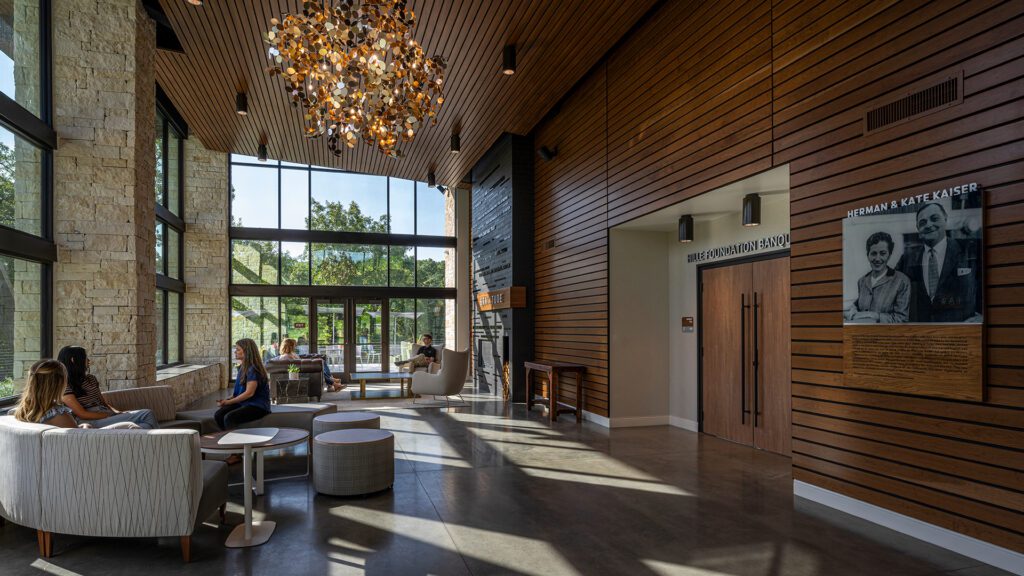
Wood systems are uniquely positioned to meet the growing demand for commercial interiors that are not only high-performance but also deeply human-centered. When designed thoughtfully, wood ceilings and wall panels become more than aesthetic enhancements—they deliver multisensory value that touches on visual appeal, acoustic comfort, tactile richness, air quality, and environmental integrity.
Across offices, healthcare facilities, and educational institutions, Rulon’s product lines support layered design strategies that unify sustainability with sensory experience. This includes options like Curvatone for seamless visual flow, Aluratone for targeted acoustic absorption, and Endure™ for high-durability installations that retain the warmth of wood in demanding environments.
Multisensory Benefits in a Single System
A well-designed wood system can simultaneously support lighting, sound control, scent, and touch. For example, integrated ceiling panels may feature perforations that enhance acoustics, embedded LED lighting to reinforce circadian alignment, and surface textures that bring natural rhythm and variation to the touch. Wood’s innate aromatic qualities can further elevate the indoor experience, while sustainable sourcing practices ensure that wellness doesn’t come at an environmental cost.
Rulon’s wood grille and linear systems offer fine control over sightlines, sound diffusion, and material finish, balancing architectural precision with human comfort.
Acoustic Performance with Sensory Dimension
Acoustic wood panels, such as those in the Aluratone series, address more than just decibel levels. These systems merge sound absorption with visual character and tactile engagement. Custom perforation patterns, warm finishes, and low-VOC coatings help create environments that are as healthy as they are beautiful. Whether used in classrooms or corporate settings, these panels contribute to spaces where people can focus, collaborate, and feel grounded.
Flexibility for Evolving Spaces
As commercial interiors continue to adapt to changing work models and spatial needs, flexibility is key. Modular wood systems allow designers to reconfigure layouts without sacrificing the integrity of multisensory design. Rulon’s customizable solutions—including Select-N-Ship for rapid deployment—support the evolution of space while maintaining continuity in look, feel, and performance.
These adaptable systems ensure that as spaces scale or shift in function, the comfort and coherence offered by natural materials remain constant.
Sustainable Material Sourcing and Certification
Material selection is no longer just an aesthetic decision—it’s a critical factor in how commercial environments perform, age, and impact the planet. With growing environmental awareness and regulatory pressure, architects and contractors are prioritizing materials that reduce impact without compromising performance.
In sustainable design interior strategies, the sensory benefits of natural wood—its warmth, aroma, acoustic control, and tactile appeal—must be supported by ethical sourcing and environmentally responsible practices. Otherwise, wellness-forward design becomes unsustainable in the long term.
Forest Stewardship and Certification
Specifying wood from responsibly managed forests helps ensure that biophilic, multisensory interiors don’t come at ecological cost. Rulon offers FSC®-certified options across many of its product lines, including linear systems, grilles, and veneered panels. These certifications provide third-party verification that the wood used meets strict standards for environmental stewardship and forest regeneration.
Rulon’s sustainability commitment supports full transparency in sourcing, from raw timber selection to production and shipping. This ensures that the sensory and functional value delivered through products like Aluratone or Endure™ is backed by measurable environmental performance.
Lifecycle Considerations
True sustainability looks beyond the point of installation. Architects are increasingly adopting circular design principles, selecting materials that offer longevity, durability, and the potential for reuse or biodegradation. Wood fits naturally into this approach. Its inherent durability, renewability, and low embodied energy make it one of the most ecologically versatile building materials available.
Incorporating reclaimed wood or specifying finishes with recycled content allows for storytelling through texture and history—each grain and variation adding character while diverting waste from landfills.
Rulon’s systems are designed not only for performance but for long-term value—products that age gracefully and adapt as interiors evolve. From responsible harvest to thoughtful reuse, wood supports healthier buildings and a healthier planet
Technology Integration and Smart Environments
The smartest commercial interiors are not those that rely solely on automation—but those that integrate technology in ways that enhance comfort, well-being, and sustainability. With workplace design evolving rapidly, building owners and architects are turning to digital tools that help spaces adapt without compromising their sensory character.
Incorporating technology into sustainable design interior strategies doesn’t mean replacing natural materials—it means using smart systems to support and amplify what wood, light, and air already do best. The result is an environment that feels grounded and intuitive while meeting high performance expectations.
Responsive Environmental Systems
Today’s commercial interiors can respond to real-time conditions without disrupting their design integrity. Wood systems can be engineered to work in harmony with intelligent infrastructure, enhancing performance and efficiency. For example:
- Lighting systems can adjust automatically based on natural daylight exposure, optimizing energy use while preserving visual comfort.
- Smart acoustic panels, like those in the Aluratone series, can be paired with adaptive controls to respond to ambient noise levels.
- Air quality sensors can complement wood’s low-emission, natural filtering properties, particularly when combined with low-VOC finishes.
This integrated approach transforms static interiors into responsive ecosystems designed around people.
Digital Integration Without Dominance
Technology should disappear into the background—facilitating comfort without drawing attention to itself. Wood grille ceilings and linear systems are ideal for concealing lighting, wiring, or climate infrastructure while maintaining visual warmth and acoustic performance. These systems allow buildings to meet the expectations of a modern, connected workforce while honoring the sensory richness of natural materials.
Ultimately, the best tech-enabled spaces are those where digital features support—not override—the biophilic and human-centered goals of sustainable interior design.
Health and Wellness Benefits
The design of a space has a profound influence on how people feel, function, and heal. While wood is widely appreciated for its aesthetic qualities, it also plays a deeper role in supporting human health. A growing body of international research confirms what many designers intuitively understand: natural materials like wood can reduce stress, promote mental clarity, and improve overall well-being.
Incorporating biophilic principles into sustainable design interior strategies turns commercial interiors into supportive, health-forward environments. These benefits are especially critical in workplaces, schools, and healthcare settings, where environmental conditions shape everything from emotional resilience to cognitive performance.
Stress Reduction and Productivity
Design decisions can directly influence how people feel and perform in commercial environments. Wood, as a natural material, is known for its calming visual and tactile properties. Its organic texture, muted tone, and ability to soften sound contribute to quieter, more focused interiors that support mental clarity and emotional balance.
In high-traffic or high-stress spaces—such as open offices, healthcare facilities, and educational institutions—these qualities are especially valuable. Warm, natural surfaces help reduce overstimulation, while acoustically treated wood elements minimize distracting noise, fostering concentration and comfort throughout the day.
Biophilic Design Benefits
Central to the biophilia hypothesis is the idea that humans thrive in environments that echo nature. Reclaimed wood and responsibly sourced natural materials support this instinctive need, delivering measurable health benefits that extend beyond visual comfort. Studies have documented outcomes such as lower heart rates, reduced blood pressure, and improved mood when people spend time in wood-rich interiors.
This is why wood wall systems and architectural panels are increasingly specified not just for aesthetic purposes but for wellness design strategies. When paired with daylighting, greenery, and acoustic management, these materials help create spaces that heal and energize.
Over time, the wellness returns of these choices add up—supporting better performance, healthier occupants, and stronger engagement in the built environment.
Implementation Strategies for Commercial Spaces
Designing with all five senses in mind doesn’t require a full-scale renovation. Instead, the most effective and realistic approach often involves phased integration. Small, well-placed upgrades—such as wood paneling, acoustic enhancements, or biophilic accents—can transform the character and comfort of a commercial space over time. In competitive leasing markets, these improvements can also support higher occupancy rates, greater tenant satisfaction, and even premium rents.
Multisensory sustainable design interior strategies are most impactful when they respond to the specific function of a space. Offices, hospitals, classrooms, and hospitality venues all have unique sensory requirements. By identifying high-impact areas and implementing changes in phases, architects and designers can elevate well-being while managing budgets.
Phased Implementation
Many spaces can be dramatically improved with targeted updates. Introducing wood ceiling tiles or wall panels enhances both acoustic control and visual character. Adding wood grille ceilings or suspended baffles improves sound quality in open-plan offices while providing warmth and rhythm overhead. Strategically placed natural wood finishes can increase tactile richness and support circadian alignment when paired with daylighting. Low-VOC materials and ventilation upgrades contribute to air quality without disrupting the space.
Integrated solutions—those that touch on multiple senses at once—can deliver exponential benefits. For example, a Curvalon installation may address visual flow, acoustic comfort, and sensory movement in a single intervention.
Strategies by Building Type
Different commercial settings call for different sensory priorities:
- Office environments benefit from acoustic enhancements using Endure™, Linear or plank wood accent walls for visual warmth, and layered material finishes that add tactile variety and reduce noise fatigue.
- Healthcare facilities require calm, hygienic, and restorative environments. Natural wood surfaces contribute to a sense of serenity, while acoustic wood panels ensure quiet, private spaces that support healing. Low-VOC finishes improve air quality, enhancing occupant health.
- Educational institutions need durable, flexible, and engaging environments. Wood slat ceilings or wall tiles bring warmth and reduce ambient noise—ideal for learning. Tactile surfaces and biophilic materials also encourage focus and creativity among students.
- Retail and hospitality spaces benefit from strong visual identity and memorable experiences. Multisensory design helps reinforce brand values while making customers feel welcome. Materials like wood grilles or cubes offer visual rhythm and acoustic control, enhancing the atmosphere in lobbies, restaurants, or boutiques.
Future Trends and Innovations
As we close out 2025, commercial interior design continues to evolve toward environments that are not only functional and visually refined but deeply attuned to human well-being and environmental impact. What began as a shift toward biophilic design and sustainability has now matured into a holistic approach that integrates sensory architecture, smart technology, and regenerative thinking.
Looking ahead, the next wave of sustainable design interior strategies will be defined by adaptability, environmental intelligence, and a commitment to designing spaces that restore rather than deplete.
Advanced Material Technologies
Multisensory wood systems are being reimagined through emerging technologies that extend the capabilities of natural materials. We are beginning to see:
- Responsive wood finishes that adjust sheen, texture, or color based on light exposure and wear.
- Embedded sensors within panels that monitor acoustics, temperature, and indoor air quality.
- Bio-responsive surfaces that engage with human physiology, such as warmth-retaining materials or antimicrobial coatings.
- Smart integration of lighting and acoustics within wood ceiling systems that elevate comfort without compromising design intent.
These innovations support more intuitive, personalized environments while reinforcing the foundational beauty and performance of natural wood.
Circular Economy Integration
Sustainable material selection is expanding beyond “eco-friendly” to include full lifecycle accountability. In commercial interiors, this means designing with materials that are renewable, reclaimable, and easily disassembled for reuse or recycling.
Reclaimed wood, recycled acoustic cores, and low-impact adhesives are already appearing across product categories. Future-forward manufacturers like Rulon are advancing these efforts by engineering systems that reduce waste and extend product lifespan—from Endure™ polymer systems to flat veneer panels suitable for long-term reconfiguration.
Circularity will not be a trend but a baseline standard as green building certifications evolve and clients demand measurable environmental impact.
Personalization and Adaptability
The future of multisensory design lies in its ability to adapt. Whether reconfiguring a workplace for hybrid teams or tailoring hospitality environments to shifting guest needs, spaces must evolve as people do.
Modular wood systems, customizable grille ceilings, and flexible acoustic panels allow designers to create environments that reflect brand identity, occupant needs, and sensory comfort—all while maintaining cohesive performance.
By 2026 and beyond, the most successful commercial interiors will be those that are responsive, regenerative, and refined—meeting the moment through materials that don’t just look good but feel, function, and last better.
Measuring Success and ROI
Multisensory sustainable design is not just a wellness strategy—it is a high-impact investment that drives measurable outcomes across performance, operations, and brand value. As commercial interiors become more complex and user-focused, decision-makers increasingly expect environments to deliver quantifiable returns.
When natural materials and thoughtful sensory design are implemented strategically, the benefits go far beyond aesthetics.
Quantifiable Business Benefits
Designing for the senses can directly improve how people work, feel, and interact within a space. Among the most widely reported outcomes:
- Lower absenteeism driven by healthier indoor air quality and reduced environmental stress.
- Higher productivity and focus through improved acoustic conditions and visual comfort.
- Increased tenant retention and satisfaction through enhanced spatial quality and sensory appeal.
- Energy savings through wood’s thermal regulation properties and daylight-optimized layouts.
- Elevated brand perception tied to sustainability commitments and biophilic design elements.
Together, these benefits strengthen a building’s overall performance and support long-term tenant engagement.
Long-term Value Creation
Wood ceiling and wall systems contribute to value beyond their immediate function. Through responsible sourcing and material longevity, they provide:
- Long-term durability in high-traffic or performance-sensitive spaces
- Timeless aesthetic appeal that reduces the need for frequent renovations
- Support for wellness goals that can reduce healthcare and HR costs
- Environmental compliance with green building standards like LEED
- Market differentiation in competitive real estate and hospitality sectors
Whether installed in a corporate office, healthcare setting, or educational facility, custom wood systems help position a space as thoughtful, future-ready, and aligned with the priorities of today’s most discerning occupants.
Frequently Asked Questions
How does multisensory design improve workplace productivity?
Multisensory design supports productivity by creating spaces that align with how people actually experience their environments—visually, acoustically, and physically. When all five senses are considered, workers report reduced stress, better concentration, and greater overall comfort. Natural materials like wood enhance this effect by softening acoustics, regulating humidity, and introducing biophilic warmth. The result is a work environment that promotes mental clarity and physical ease, helping teams stay focused and engaged throughout the day.
What makes wood systems particularly effective for multisensory commercial design?
Wood is inherently multisensory. Visually, it adds organic texture and warmth. Acoustically, it dampens sound and improves speech clarity. Tactilely, it offers varied textures that respond to light, shadow, and touch. Even its subtle scent contributes to a feeling of natural calm. Unlike synthetic materials, wood engages the senses in ways that support wellness and connectivity—making it an ideal material for commercial interiors that prioritize human experience.
How can existing commercial spaces incorporate multisensory sustainable design elements cost-effectively?
The most effective upgrades often begin with small, high-impact changes. Installing acoustic wood ceiling panels in open work areas can immediately improve sound quality and spatial comfort. Adding wood accent walls in lobbies or common spaces enhances visual interest while promoting biophilic engagement. Modular baffles and grilles allow for phased implementation that aligns with routine maintenance cycles. These interventions deliver multisensory benefits without requiring full renovation, making them ideal for incremental upgrades across various commercial typologies.