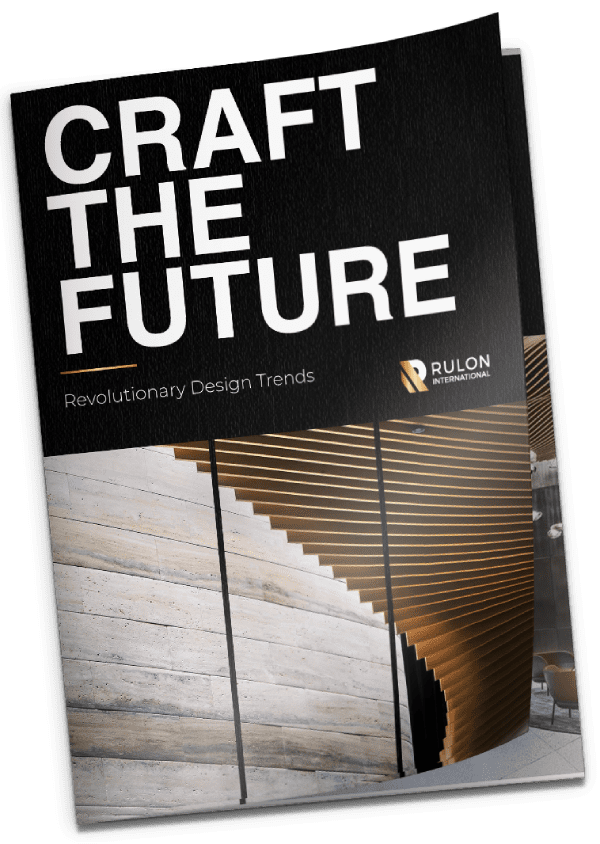
Healthcare interior design has come a long way from the stark, fluorescent-lit corridors most people picture when they think of a hospital. Today’s leading healthcare architects and facility planners understand that the physical environment is not a backdrop to care; it is part of the treatment itself. Evidence-based research has shown that well-designed spaces reduce patient stress, improve outcomes, and support the well-being of clinical staff. Among the most significant shifts in modern hospital design is the move toward wood ceilings and wall systems as a primary architectural finish.
This is not a trend rooted in aesthetics alone. Wood ceilings in healthcare environments address a complex set of clinical, acoustic, sustainability, and regulatory requirements that synthetic alternatives often struggle to meet simultaneously. Here is why hospitals and healthcare architects are making the switch.
What Evidence-Based Healthcare Interior Design Actually Demands
The phrase “evidence-based design” carries real weight in the healthcare sector. According to The Center for Health Design, environmental variables, including noise control, access to nature, and homelike surroundings, are directly linked to patient healing across emotional, psychological, and functional dimensions. These are not soft preferences. They are design imperatives backed by peer-reviewed research.
A comprehensive review of evidence-based healthcare design literature found that well-designed physical settings play a measurable role in making hospitals less stressful, more healing for patients, and better places for staff to work. The review specifically identified a good acoustic environment, access to nature-inspired elements, and appropriate materials as critical design factors. Wood ceilings address all three in a single system.
For healthcare architects and interior designers, this research creates a clear mandate. Specifying materials that deliver on acoustic performance, biophilic connection, indoor air quality, and fire-code compliance is no longer optional; it is the standard of care for thoughtful healthcare interior design.
Wood Ceilings and the Biophilic Healing Environment
Biophilic design, the integration of natural materials and nature-inspired elements into the built environment, has become a cornerstone of modern healthcare interior design. Research published in peer-reviewed literature confirms that natural building materials, including wood, rank among the highest-priority biophilic design parameters for healthcare spaces, delivering measurable physiological, psychological, and perceived benefits for patients and caregivers alike.
The psychological impact of wood in clinical environments is significant. When patients walk into a space finished with warm, natural wood ceilings, the sensory experience shifts away from the institutional and toward the restorative. Anxiety decreases. The environment communicates care. Staff wellbeing improves in spaces that feel less clinical and more human. These outcomes are not incidental; they are the result of deliberate healthcare interior design decisions made at the specification stage.
Rulon’s wood ceiling and wall systems have been integrated into healthcare projects across the country precisely for these reasons. Children’s Healthcare of Atlanta, for example, incorporated Rulon’s Flat Veneer Panels and custom Curvalon elements into a sweeping curved entry sequence. The natural wood finishes created a welcoming atmosphere for families navigating a clinical setting, demonstrating how material selection in healthcare interior design shapes the emotional quality of an entire facility.
Acoustic Performance: A Clinical Requirement, Not a Preference
Noise is one of the most well-documented stressors in hospital environments. High noise levels have been linked to poor sleep quality, elevated physiological stress, and reduced patient satisfaction. For clinical staff, noise contributes directly to communication errors and fatigue. In healthcare interior design, acoustic control is a clinical requirement.
Wood ceiling systems from Rulon are engineered to address this challenge through perforated panels, micro-grooves, and acoustic backing systems that achieve measurable Noise Reduction Coefficient (NRC) ratings. Perforated wood panels paired with absorptive cores reduce reverberation in patient corridors, waiting areas, and nursing stations. Slatted ceiling and wall systems break up sound waves and dampen ambient noise without sacrificing the visual warmth that supports a healing environment.
This dual performance, acoustic control paired with biophilic design, is what makes wood ceilings particularly compelling in healthcare settings. Where standard acoustic tile delivers sound absorption in a visually sterile format, wood systems deliver tested acoustic performance wrapped in a material that actively supports patient wellbeing.
Learn more about how wooden acoustic panels improve indoor environments and why acoustic performance and design intent do not have to compete.
Indoor Air Quality and Healthcare Compliance
Healthcare interior design carries strict requirements around indoor air quality (IAQ). Hospitals must contend with infection control protocols, cleanability standards, and the need for materials that do not off-gas harmful compounds into patient care areas. These requirements can make natural materials feel risky to specify, but Rulon’s wood systems are built to meet and exceed these standards.
All Rulon wood ceiling and wall products carry Indoor Advantage GOLD certification, meaning they meet the most stringent indoor air quality standards in the industry. Products are finished with low-VOC aqueous coatings and manufactured with no added formaldehyde (NAF) and ultra-low-emitting formaldehyde (ULEF) cores. These specifications ensure that wood ceilings contribute to a healthier indoor environment rather than compromising it.
Rulon’s products are also certified to support LEED v4, WELL Building Standard, CDPH v1.2, and FSC Chain-of-Custody requirements. For healthcare architects navigating the documentation demands of large hospital projects, this compliance infrastructure removes a significant barrier to specifying wood. The Rulon sustainability page includes ready-to-use submittal packets that simplify the certification process for design and construction teams.
For healthcare environments with elevated cleanability requirements, including outpatient clinics, surgical waiting areas, and administrative wings, Rulon’s engineered panel systems offer durable, moisture-resistant options designed for high-traffic institutional use.
Class A Fire Rating and Specification Confidence
Wood ceilings in healthcare settings must meet Class A fire rating requirements. This is non-negotiable in most occupancy types, and it is a common point of concern for architects specifying wood over synthetic alternatives. Rulon’s healthcare ceiling and wall systems are Class A fire-rated, giving specifiers confidence that the material selection meets code without compromise.
This matters because healthcare projects are subject to rigorous code review and third-party inspection. Specifying wood that cannot demonstrate Class A compliance creates liability and delays. Rulon eliminates that friction by manufacturing products that are designed for institutional compliance from the ground up, not treated as an afterthought.
Why Healthcare Architects Specify Rulon
The decision to specify wood ceilings in a hospital project is rarely made on a single factor. It emerges from a convergence of clinical, regulatory, and design priorities that only a purpose-built system can satisfy. Rulon’s acoustic wood panels for hospitals and healthcare spaces are designed to meet this convergence directly.
Healthcare architects who specify Rulon gain access to more than three decades of manufacturing expertise, custom fabrication capabilities, and a product line built for the unique demands of clinical environments. From curved wood elements that define a patient-centered lobby to linear ceiling systems that control reverberation in a surgical waiting area, Rulon brings the design flexibility and technical performance that modern healthcare interior design demands.
Explore completed healthcare projects and architectural applications in the Rulon project gallery to see how wood ceilings and wall systems perform across a range of real-world hospital environments.
The Future of Healthcare Interior Design Is Natural
Healthcare interior design is moving toward environments that heal, not just treat. The body of evidence supporting biophilic design, acoustic comfort, and clean indoor air as components of patient outcomes continues to grow. Wood ceilings sit at the intersection of all three. They are not a premium add-on reserved for flagship hospital lobbies. They are increasingly the specification of choice for architects and facility planners who understand that the built environment is a tool for better care.
For design teams ready to explore how wood ceiling and wall systems can meet the performance and compliance requirements of their next healthcare project, Rulon’s team is available for technical consultation, sample review, and custom specification support.